A commercial roof is not just a cover on top of a building. It protects your property, prevents water damage, supports energy efficiency, and helps your business operate without disruption.
At some point, most building owners face the same question: “Should I restore my roof, or is it time to replace it?”
Understanding commercial roof restoration vs replacement is important because the wrong choice can lead to unnecessary costs, ongoing leaks, or replacing a roof earlier than needed.
This guide explains the difference in a clear and practical way, so you can make the right decision based on roof condition, performance, and long-term value.
What Is Commercial Roof Restoration?
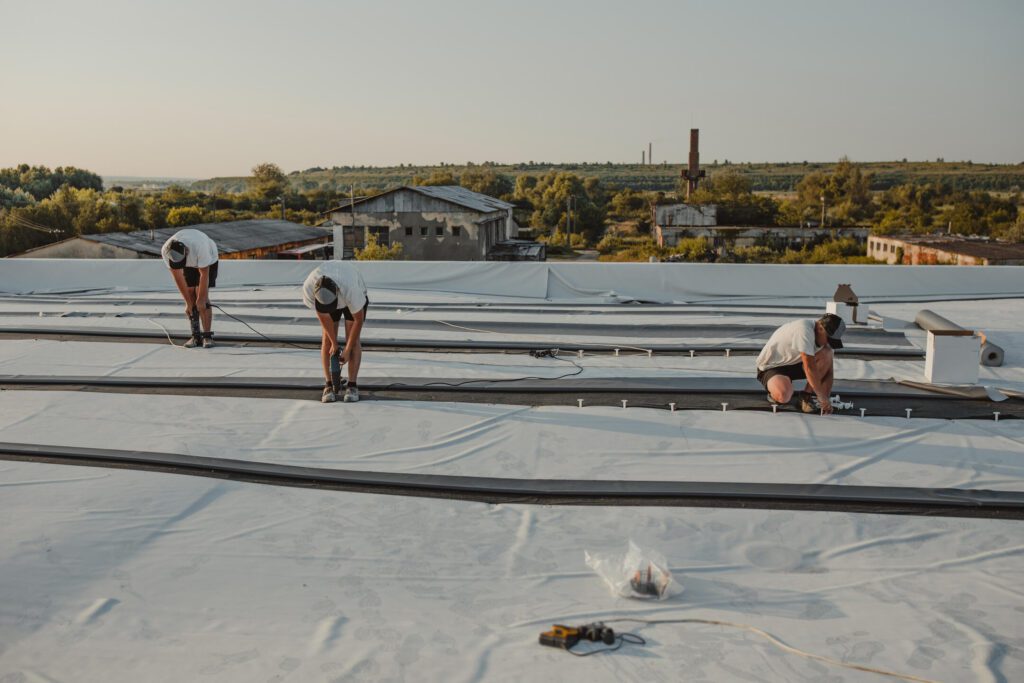
Commercial roof restoration is the process of improving your existing roof system without removing the entire roof. Instead of a full tear-off, restoration focuses on repairing surface damage and adding protective materials that extend the roof’s usable life.
In many cases, restoration includes:
Repairing seams, flashings, and damaged areas
Reinforcing weak points where leaks often start
Applying a roof coating system (such as silicone or acrylic)
Improving waterproofing and UV resistance
Roof restoration is often considered when the roof structure is still stable, but the surface is aging or experiencing minor issues. Many property owners exploring roof restoration cost Fort Worth look into restoration because it can be a practical way to extend roof life while avoiding major construction disruption.
What Is Commercial Roof Replacement?
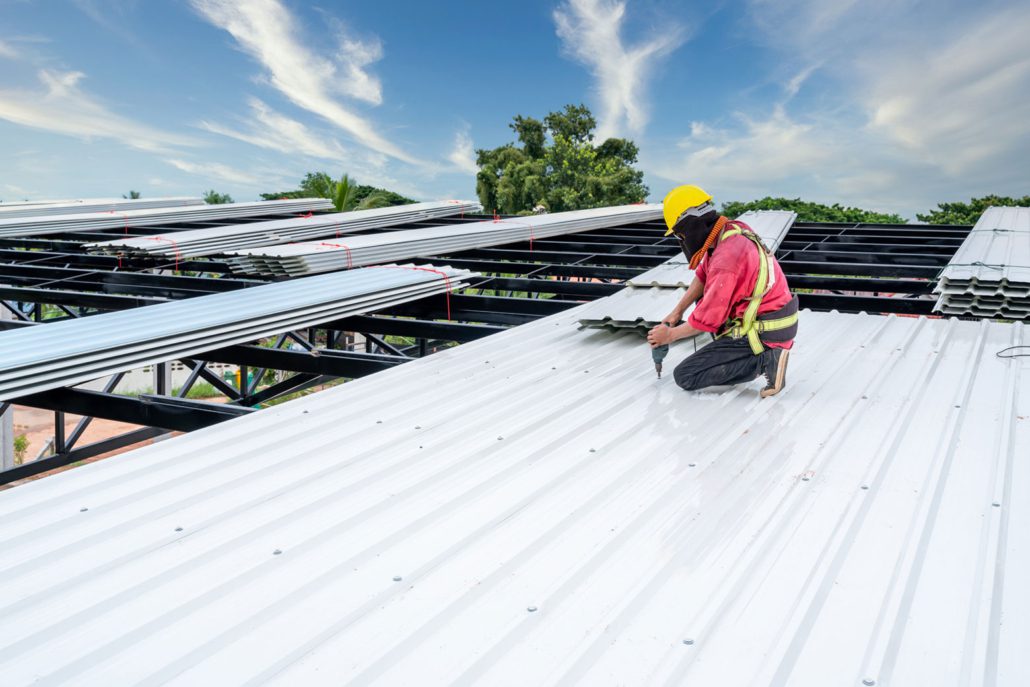
Commercial roof replacement means removing the existing roofing system and installing a new one. Replacement is a larger project and is usually required when the current roof is no longer performing safely or has damage beneath the surface that cannot be corrected through restoration.
The right replacement system depends on your building type, roof slope, usage needs, and long-term maintenance plan.
Commercial Roof Restoration vs Replacement: The Real Difference
The main difference between commercial roof restoration vs replacement comes down to one question:
Can the existing roof system still be restored safely, or has it reached the end of its service life?
Restoration strengthens what you already have. Replacement rebuilds the roof from the ground up. A qualified inspection helps determine whether problems are surface-level or structural.
When to Replace a Commercial Roof (Key Warning Signs)
Many business owners ask: when to replace a commercial roof?
While every building is different, replacement is typically considered when:
Leaks are widespread, not isolated
Moisture has entered insulation or decking
Roof membranes are deteriorating across large areas
The roof has had repeated repairs without long-term success
Structural sagging or deck damage is present
The system has reached the end of its expected lifespan
Knowing when to replace a commercial roof early helps prevent interior damage, mold risk, and unexpected emergency costs.
When Roof Restoration May Be the Better Solution
Roof restoration may be a strong option when the roof structure is still sound and damage is limited to the surface.
Restoration is often suitable when:
Leaks are minor and localized
Seams or flashing areas need reinforcement
The membrane is aging but not failing
The roof passes moisture testing
The building owner wants a cost-effective extension rather than full replacement
Many flat commercial roofing systems can qualify for restoration, depending on inspection results.
The Most Overlooked Factor: Moisture Under the Roof
One of the biggest mistakes commercial owners make is deciding too quickly based on what the roof looks like from above. A roof can appear worn but still be restorable. On the other hand, a roof can look fine while moisture is trapped underneath.
That is why professional commercial inspections often include:
Infrared moisture scans
Core sampling (to check insulation condition)
Deck integrity evaluation
Drainage and flashing review
This step is critical in choosing correctly between restoration and replacement.
Roof Restoration Cost Fort Worth: What Impacts Pricing?
The roof restoration cost Fort Worth depends on several real factors, including:
Total roof size and layout
Roof type (TPO, metal, EPDM, modified bitumen)
Surface preparation requirements
Repair scope before coating
Coating system type (silicone vs acrylic)
Because each commercial roof is different, pricing should always be based on a roof-specific inspection, not general estimates.
At GM Roofing Services, we provide clear evaluations so owners understand whether restoration is realistic before investing further.
Commercial Roof Replacement Options: Choosing the Right System
When replacement is necessary, selecting the right material matters for performance and lifespan. The most common commercial roof replacement options include:
TPO roofing, often used for reflective energy performance, EPDM rubber roofing for large roof durability, PVC for certain commercial environments, modified bitumen for layered waterproofing, and metal roofing for specific long-term applications.
A contractor should always recommend the best system based on your building’s use, drainage design, and maintenance goals.
What Business Owners Care About Most: Cost, Downtime, and Longevity
When deciding between restoration and replacement, most commercial owners focus on three priorities:
Restoration often reduces disruption and may be completed faster than replacement. Replacement provides a full new system but typically requires more labor, time, and planning. The best solution is the one that protects the building properly while aligning with your long-term ownership plans.
At G&M Roofing Services, we help business owners make informed commercial roofing decisions based on roof condition, not sales pressure.
We focus on:
Professional commercial roof inspections
Restoration solutions when the roof qualifies
Full replacements when replacement is truly necessary
Clear system explanations and material guidance
Long-term roofing performance, not quick fixes
If you are researching commercial roof restoration vs replacement, our team can help you understand the safest next step for your property. Contact us today!
Conclusion
Choosing between commercial roof restoration vs replacement depends on roof condition, moisture presence, age, and structural stability. Restoration may extend the life of a roof that is still sound. Replacement is often required when damage is widespread or performance has failed.
If you are unsure when to replace a commercial roof, or you want to understand roof restoration cost Fort Worth, the best first step is a professional inspection.
G&M Roofing Services is here to provide honest guidance and quality commercial roofing solutions for your building.
FAQs
What is commercial roof restoration vs replacement?
Commercial roof restoration vs replacement means restoring repairs the current roof, while replacement removes it fully. The best choice depends on roof damage.
When to replace a commercial roof instead of restoring it?
When to replace a commercial roof depends on leaks, trapped moisture, or deck damage. If repairs fail often, replacement may be needed.
What affects roof restoration cost Fort Worth for businesses?
Roof restoration cost Fort Worth depends on roof size, coating type, and repairs needed. A professional inspection gives the most accurate estimate.
What are the best commercial roof replacement options today?
Common commercial roof replacement options include TPO, EPDM, PVC, and metal systems. The best one depends on your building and goals.
How can GM Roofing Services help with restoration or replacement decisions?
GM Roofing Services reviews your roof condition and explains restoration or replacement clearly. Visit to learn more.
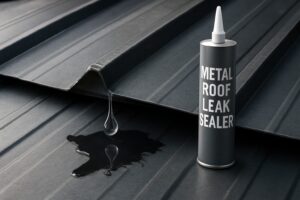
Discover expert advice on metal roof leak sealer options for 2026. Learn to prevent costly leaks, choose top products, and apply solutions for lasting protection.